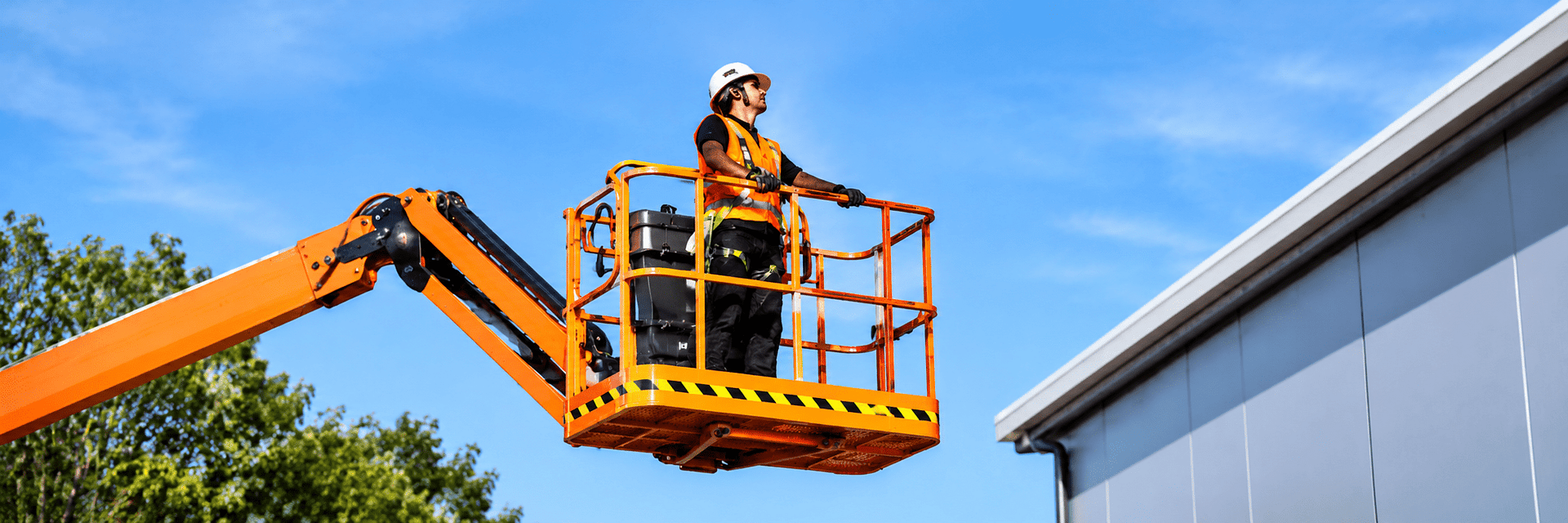

Service 1Make it clear to your customers know what you offer as a service.
EWP Training – Elevating Work Platforms
Safe operation. Practical skills. Workplace confidence.
Need training to operate a scissor lift, boom lift or other elevating work platform?
We Train You provides practical EWP training and competency assessments in Gisborne, helping operators understand equipment safety, recognise hazards and demonstrate safe operating practices.
Our training is suitable for new operators, experienced workers requiring assessment, and businesses wanting to ensure their staff are competent to operate EWPs.
Training tailored to your workplace and equipment.
Elevated Work Platform (EWP) Training
Elevated Work Platform (EWP) Training
Work safely and confidently at height with We Train You.
We provide practical Elevated Work Platform (EWP) training and competency assessments in Gisborne, helping operators understand their responsibilities, recognise hazards and develop the skills needed to operate equipment safely.
Whether you're a new operator or refreshing your skills, we're here to help.
What our EWP training covers
Health and safety responsibilities when working at height
Different types of elevated work platforms and their safe use
Worksite inspections, hazard identification and risk controls
Pre-use inspections and equipment safety checks
Safe operating procedures, stability and load limits
Emergency procedures, including emergency lowering and rescue planning
Practical operation and competency assessment
Equipment we can assess
Scissor lifts
Self-propelled boom lifts
Trailer-mounted boom lifts
Truck-mounted boom lifts
Vertical lifts
Practical competency must be demonstrated on each type of EWP being assessed. Equipment availability and course arrangements are confirmed at booking.
Competency training and certification
Our training covers knowledge and practical skills associated with relevant EWP unit standards, including 23966 and 23960–23964.
Please note: We Train You currently provides EWP competency training and assessments only. NZQA unit-standard credits are not awarded or reported.
Successful participants receive a We Train You competency certificate identifying the equipment assessed.
Need EWP training for your team?
We can discuss your workplace requirements, equipment types, operator experience and training arrangements.
Call 0800 891 375 or email info@wetrainyou.co.nz.
ENQUIRE ABOUT EWP TRAINING
What types of Elevated Work Platforms (EWPs) can We Train You assess?
We Train You provides operator training and competency assessments for a range of Elevated Work Platforms, including:
Scissor lifts
Self-propelled boom lifts
Trailer-mounted boom lifts
Truck-mounted boom lifts
Vertical lifts
Training and assessments are arranged according to the equipment operators use in their workplace. Please contact us to confirm equipment availability and training arrangements.
What will I learn during EWP training?
Our training focuses on the knowledge and practical skills required to operate Elevated Work Platforms safely.
Topics include:
Health and safety responsibilities
Identifying hazards and assessing worksite conditions
Ground stability, slopes and safe positioning
Pre-operational inspections and safety checks
Machine controls, operating limits and stability
Working safely around people, vehicles and overhead hazards
Fall prevention and appropriate safety equipment
Emergency lowering procedures and rescue planning
Safe operation, parking and securing equipment
Operators must demonstrate an understanding of the safety requirements relevant to the equipment they will operate.
How long does EWP training take?
EWP training is generally completed in one day, depending on the operator's previous experience, number of participants and equipment types being assessed.
Training includes a theory component and practical competency assessment.
Additional training time may be required for new operators or when assessing multiple types of equipment.
Do I need previous experience to attend?
No. We can provide training for new operators as well as experienced operators who need refresher training or competency reassessment.
Experienced operators may be asked to provide evidence of previous training or operating experience, such as:
Previous EWP training certificates
Operator logbooks or training records
Employer verification of operating experience
All operators must demonstrate the required knowledge and practical skills before being assessed as competent.
Does the course include harness safety and rescue procedures?
Yes. Our training covers fall protection, safe work planning and emergency procedures relevant to the equipment being operated.
This includes the selection, inspection and correct use of appropriate fall protection equipment, where required.
Operators also learn the importance of having a suitable emergency and rescue plan in place before commencing work.
How often should EWP operators complete refresher training?
We generally recommend reviewing EWP operator competency every three years, or sooner where required by an employer, worksite or equipment-specific circumstances.
Additional training or reassessment may be appropriate when operators change equipment types, have not operated an EWP for an extended period, or demonstrate unsafe operating practices.
Employers remain responsible for ensuring operators are trained, competent and appropriately supervised.
What will I receive after successfully completing the course?
Operators who successfully complete the required theory and practical competency assessments receive a We Train You EWP Competency Certificate.
The certificate identifies the equipment type assessed and confirms the operator demonstrated competency at the time of assessment.
Important: We Train You provides competency-based EWP training and assessments. We do not award or report NZQA unit standards or credits.
Do I need to complete a practical assessment?
Yes. Operators must demonstrate that they can safely inspect, prepare, operate and secure the relevant EWP.
Practical assessments are completed on the type of equipment for which competency is being sought.
A previous certificate or evidence of experience does not automatically guarantee a successful assessment.